 Camfident
Talking Video Length for Reels, TikTok, and YouTube Shorts
Burhan Çelebi · Updated 2026-11-14 · 5 min read
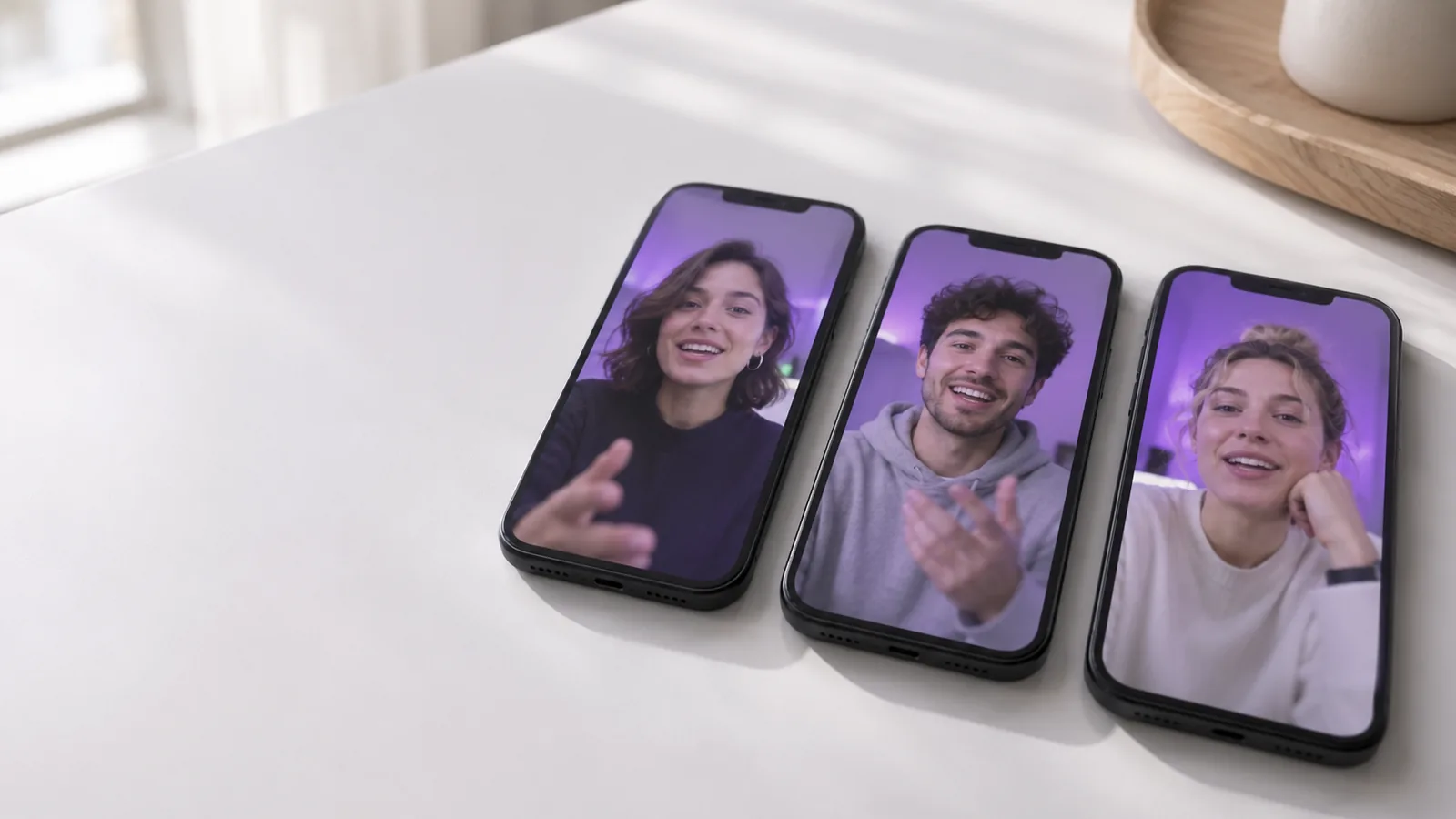
The ideal length for a talking-head video on Instagram Reels, TikTok, and YouTube Shorts is between 30 and 60 seconds. While official maximum limits allow much longer uploads, videos in the 30- to 60-second sweet spot achieve the highest completion rates, deliver complete insights without rushing, and retain mobile viewers before scrolling fatigue sets in.
Short-form video platforms have revolutionized digital communication, but each app balances algorithmic rewards between completion rate (percentage of video watched) and total watch time (seconds spent viewing). If your video is too short (under 10 seconds), you cannot convey meaningful value; if it drags past two minutes without dynamic visual changes, retention collapses.
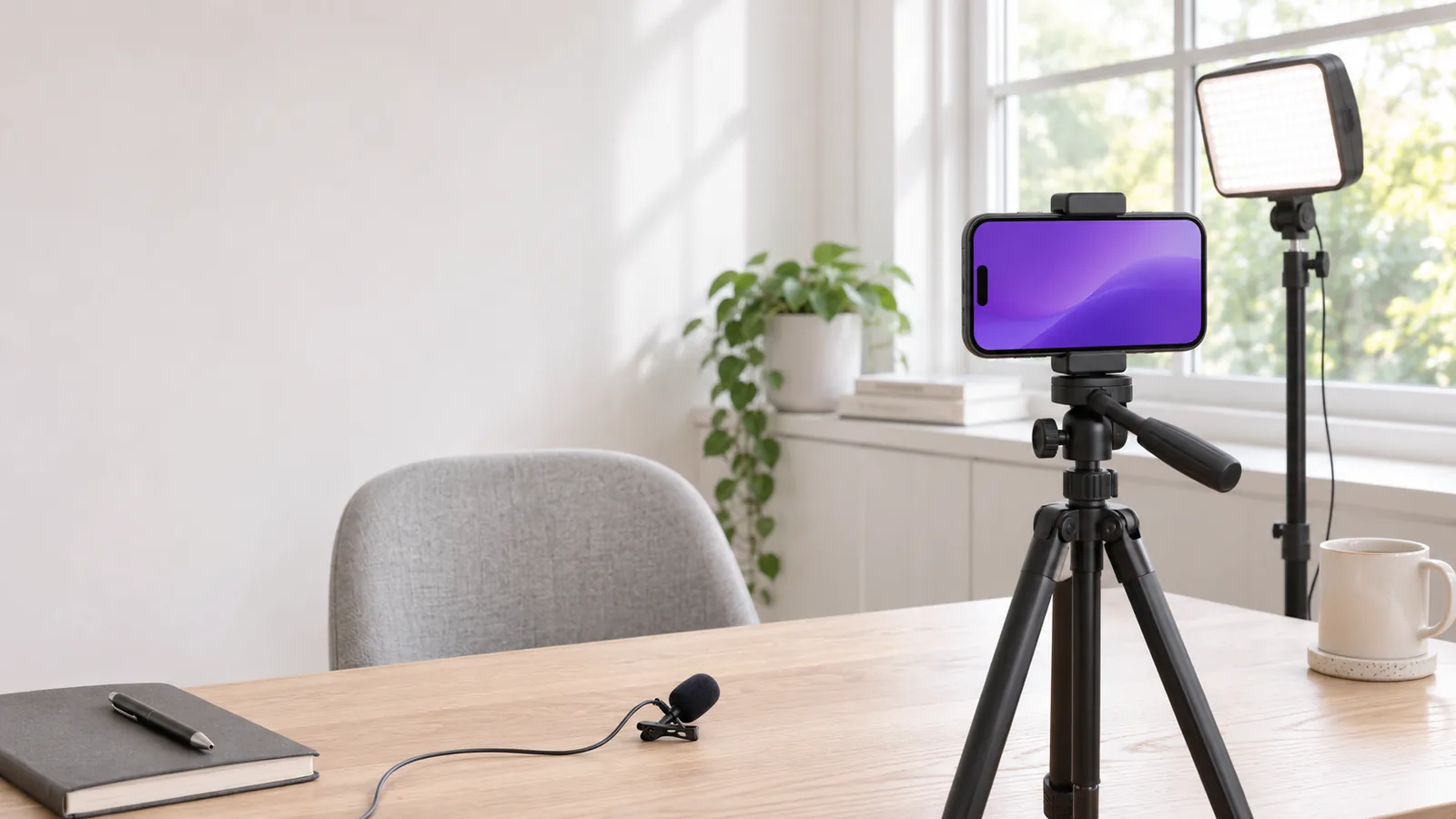
Mastering short-form pacing requires solid filming fundamentals. To ensure your camera framing and lighting are properly aligned for vertical video, review our guide on how to record yourself on a phone setup. If speaking on camera still triggers performance anxiety, explore our foundational pillar on how to get over your fear of being on camera.
Official platform limits vs. Practical sweet spots
Social media platforms frequently update their upload limits. Here are the official maximum video lengths compared to the real-world sweet spots for talking videos (last checked: November 2026; limits can vary by account and region).
| Platform | Official Maximum Length | Sweet Spot for Talking Videos | Key Recommendation |
|---|---|---|---|
| Instagram Reels | Up to 3 minutes in the Reels editor (expanded from 90 seconds in January 2025) | 30 to 60 seconds | Hook within the first 3 seconds; prioritize visual clarity and captions. |
| TikTok | 3 minutes in-app since 2021; longer upload limits vary by account and region | 45 to 75 seconds | Storytelling and multi-step tutorials perform well when pacing remains dynamic. |
| YouTube Shorts | Up to 3 minutes (expanded from 60 seconds in October 2024) | 45 to 60 seconds | Fast pacing; loop the conclusion back to the opening hook for re-watch value. |
| LinkedIn Video | Up to 15 minutes | 60 to 90 seconds | Business audiences tolerate slightly longer, deeper professional reflections. |
How many sentences fit into a 30-second video?
A common planning error is trying to cram 200 words into a 30-second clip. At a healthy, conversational speaking pace of 140 to 150 words per minute, you can speak roughly 2.3 to 2.5 words per second.
This translates into realistic limits for short videos:
- In a 30-second video: You have roughly 65 to 75 spoken words, which equates to 3 to 4 clear sentences.
- In a 60-second video: You have roughly 130 to 150 spoken words, which equates to 6 to 8 structured sentences.
- In a 90-second video: You have roughly 200 to 225 spoken words, allowing for a brief intro, three detailed points, and a conclusion.
If you try to squeeze five different lessons into 30 seconds, your words blur together, pauses disappear, and your audience absorbs nothing. Focus on communicating one single insight per video.
The 3-sentence framework for 30-second talking videos
To craft punchy short-form videos that fit naturally within 30 seconds, use a 3-sentence structural formula:
- Sentence 1: The Hook (5–7 seconds): Call out an urgent problem or counterintuitive observation. For more opening templates, read our guide on how to start a video hook so people keep watching.
- Sentence 2: The Core Insight (15–18 seconds): Explain the single practical step, rule, or perspective that solves the problem.
- Sentence 3: The Call to Action (5–7 seconds): Tell the viewer what to do next, or ask a specific question to spark comments.
Because many mobile users browse with the sound off in public spaces, always ensure your short videos include synchronized text overlays. To explore best practices for fonts and placement, review our guide on adding captions to talking videos.
In Camfident, you can choose from ready 3-sentence ideas that perfectly match 30- to 60-second runtimes. The app includes an on-device teleprompter and lets you export vertical 9:16 videos directly from your iPhone with automated silence cutting and animated captions.
Is shorter always better? The retention myth
Beginners often hear that "attention spans are dead" and assume that every video must be under 15 seconds. While 7-second looping trend videos worked well in 2021, platforms now heavily reward substantive watch time and meaningful creator-viewer trust.
A 10-second video that gets 100% completion yields only 10 seconds of total watch time. A 60-second video watched for 45 seconds delivers 45 seconds of watch time—significantly signaling higher value to platform algorithms. Furthermore, building authentic authority requires sharing enough context for viewers to understand your thought process.
Never artificially shorten a video if it sacrifices clarity. Deliver your insight as concisely as possible, cut dead silence and fluff, and stop talking the moment the value is delivered.
Frequently Asked Questions
What happens if my video goes 2 seconds over the 60-second mark on YouTube Shorts?
In late 2024, YouTube expanded Shorts eligibility to videos up to 3 minutes long, so a 62-second vertical or square video will now still qualify as a Short. However, keeping videos under 60 seconds remains optimal for mobile completion rates.
Should I speak faster to make my video shorter?
No. Rushing makes you sound frantic and spikes your filler words. Instead of speaking faster, edit your script: cut unnecessary adjectives, remove repetitive background stories, and eliminate polite filler phrases.
How do I know if my video is too long?
Check your platform audience retention graph. If your retention line drops sharply at the 25-second mark, viewers are losing interest at that specific transition. Study where drops occur and tighten your pacing in future takes.
Does video length matter as much for private practice?
No. When practicing in private, record for as long as needed to feel comfortable. Pacing constraints only matter when publishing content for public feeds.
Respect your audience's time, focus on delivering one unforgettable lesson, and let your natural conversational rhythm shine. Concise, high-value communication always beats rushed or bloated content.
Related articles
Sources
- Instagram. (2025, January 21). Finding success on reels in 2025. Instagram for Creators. Instagram for Creators
- TikTok. (2021, July 1). More Tok on the Clock: Introducing longer videos on TikTok. TikTok Newsroom
- YouTube Help. (n.d.). Understand three-minute YouTube Shorts. Google Support