 Camfident
Camera Anxiety vs Stage Fright: What Is the Difference?
Burhan Çelebi · Updated 2026-11-14 · 6 min read
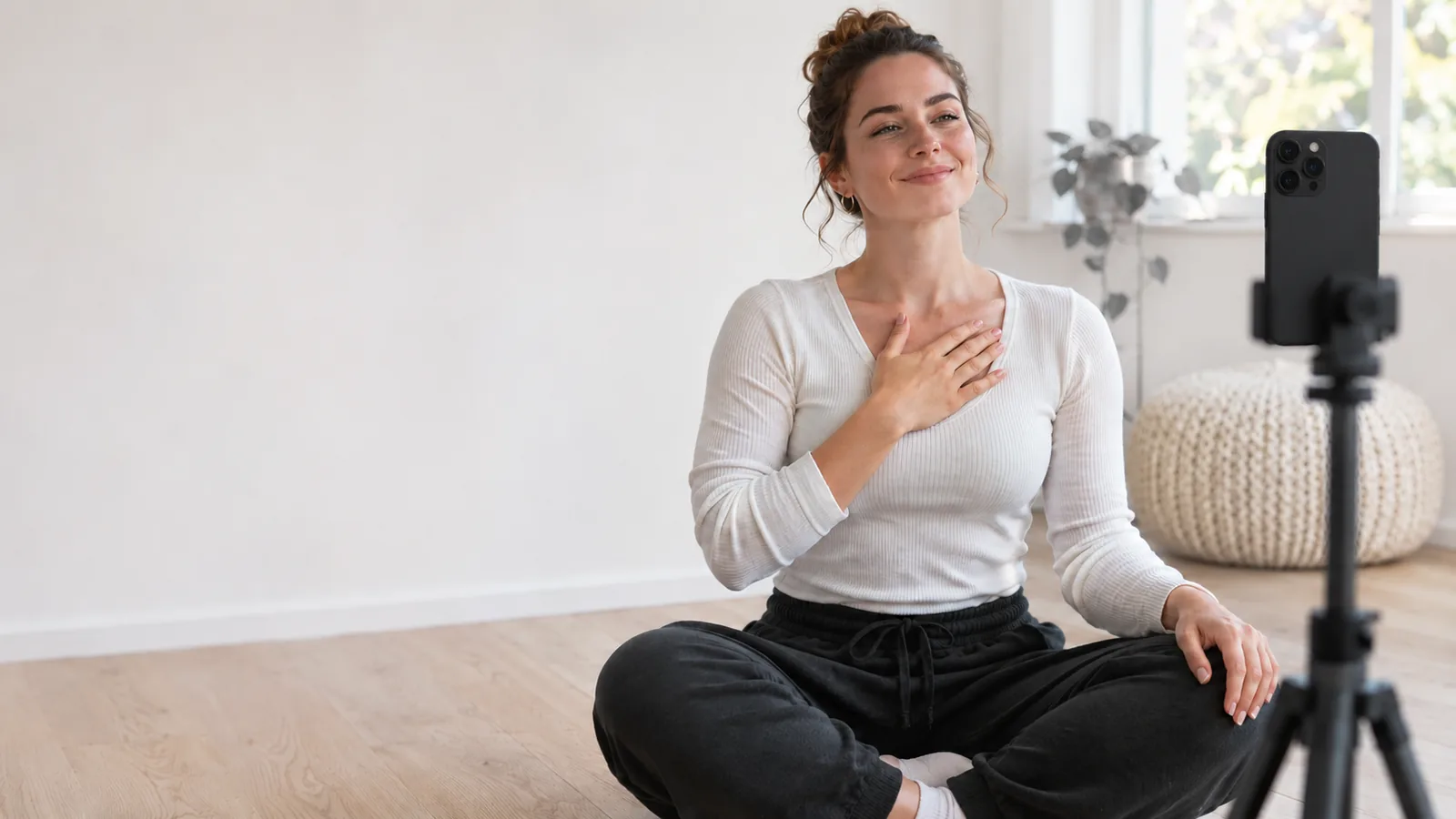
The difference between camera anxiety, stage fright, and glossophobia lies in the performance environment: stage fright and glossophobia involve the fear of speaking before a live, physically present audience, whereas camera anxiety stems from the silent, non-responsive nature of a camera lens and the fear of permanent digital recording.
While all three conditions provoke similar physiological reactions—racing pulse, shallow breathing, dry mouth, and muscle tension—the underlying psychological triggers are distinctly different. Someone who speaks comfortably on an auditorium stage may freeze completely in front of a smartphone webcam, while a confident video creator might feel paralyzed when facing a live banquet room.
This article provides educational context and practical strategies, not medical advice or a psychiatric diagnosis. Feeling nervous before speaking or recording is normal, but if performance anxiety severely disrupts your daily work or emotional wellbeing, consulting a doctor or licensed therapist can provide personalized clinical support. For everyday speaking nervousness, learning the nuances of these fears helps you build targeted confidence, connecting directly with our core pillar on how to get over your fear of being on camera.
Defining the three speaking fears
To understand what you are experiencing, it helps to define each term clearly.
1. Glossophobia (The clinical fear of public speaking)
Glossophobia originates from the Greek words glossa (tongue) and phobos (fear). It is categorized clinically under social anxiety disorders when the fear is severe and persistent. Epidemiological surveys, including the National Comorbidity Survey Replication (NCS-R), have found that fear of public speaking or performing is the most common social fear, reported by about 21% of U.S. adults at some point in their lives. It centers on the dread of public humiliation, cognitive failure, or negative evaluation while addressing a group.
2. Stage Fright (Performance anxiety)
Stage fright is a situational performance anxiety experienced by actors, musicians, athletes, and public presenters immediately before or during an appearance before an audience. It is driven by the acute sympathetic "fight-or-flight" response to high-stakes, real-time evaluation. Once a performer steps onto the stage and engages the room, stage fright often recedes as adrenaline converts into performance energy.
3. Camera Anxiety (Telephobia / Lens shyness)
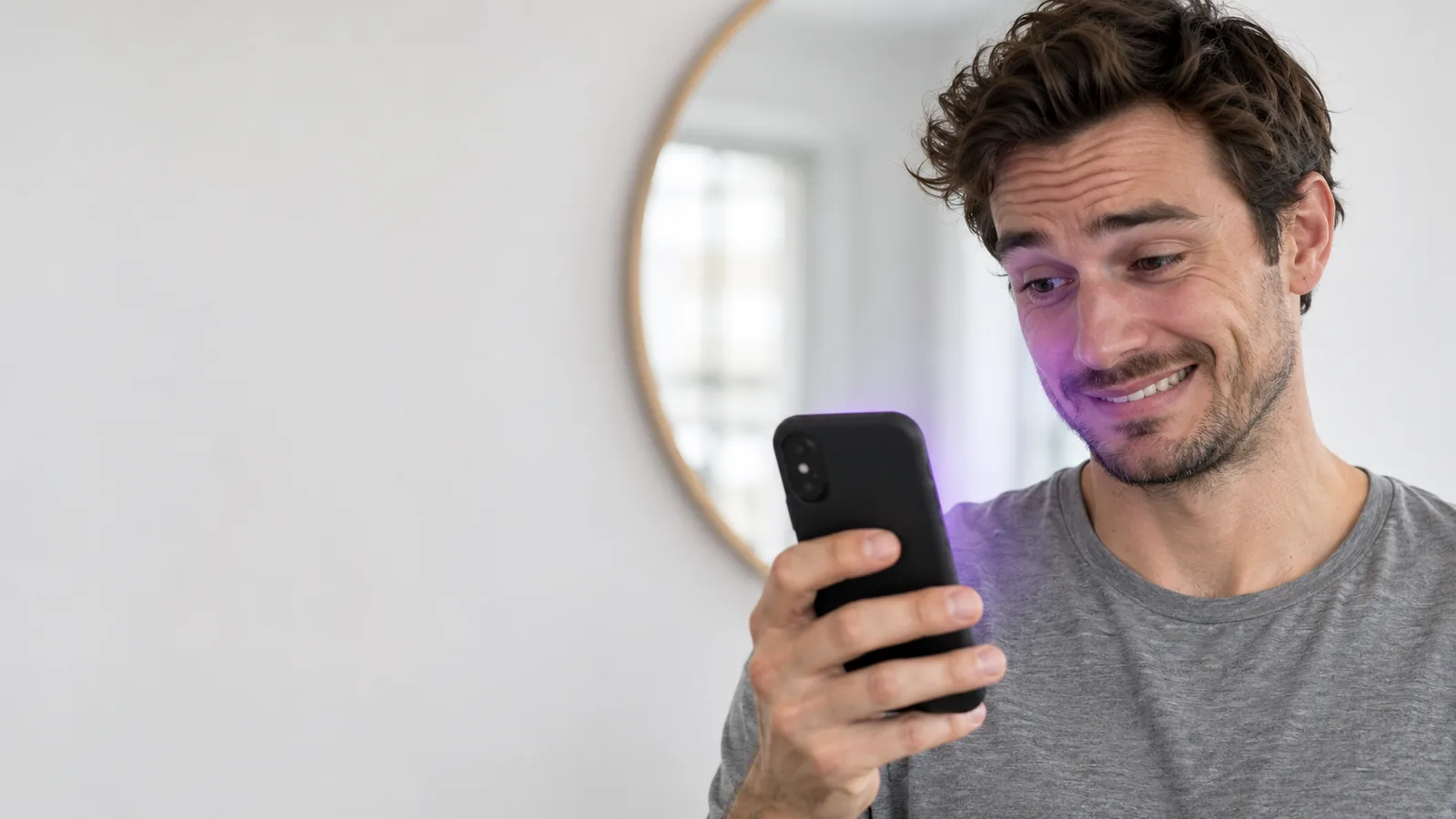
Camera anxiety—sometimes called lens shyness or telephobia—is the acute discomfort, awkwardness, or dread of speaking directly into a camera lens or seeing oneself on recorded video. Unlike stage fright, camera anxiety occurs without any physical human audience present. Its primary drivers are objective self-awareness, absence of social feedback cues, and hyper-awareness that the recording can be permanently scrutinized, shared, or replayed.
Side-by-side comparison: triggers, symptoms, and solutions
Comparing these three experiences side by side illustrates why techniques that help on stage do not always work on video.
| Characteristic | Glossophobia | Stage Fright | Camera Anxiety |
|---|---|---|---|
| Setting | Live speeches, lectures, large meetings | Theatrical, musical, or athletic performance | Solo room, smartphone, webcam, studio |
| Audience Presence | Physical, live crowd of people | Live audience or panel of judges | No physical audience; an inanimate glass lens |
| Primary Fear Trigger | Visible public humiliation in real time | Failing to execute a rehearsed routine live | Permanence of recording and lack of human cues |
| Audience Feedback | Immediate: nodding, applause, or silence | Visible and audible crowd reactions | Completely silent; zero nonverbal feedback |
| Review Factor | Memory of the event fades over time | Moment passes once the show finishes | Endless ability to re-watch and hyper-scrutinize |
| Primary Fix | Progressive exposure to live speaking groups | Grounding rituals and room acclimation | Low-stakes private takes and lens habituation |
Why talking to a camera lens feels uniquely unnatural
Many seasoned public speakers are shocked by how awkward they feel when recording their first solo video. They assume that because they can address 200 people in a ballroom, speaking to an iPhone should be effortless.
However, talking to a lens strips away the fundamental biological mechanism of human conversation: reciprocal social feedback. When you speak to a live person, their micro-expressions, blinks, head tilts, and murmurs guide your cadence. You unconsciously adjust your tone to match their reactions.
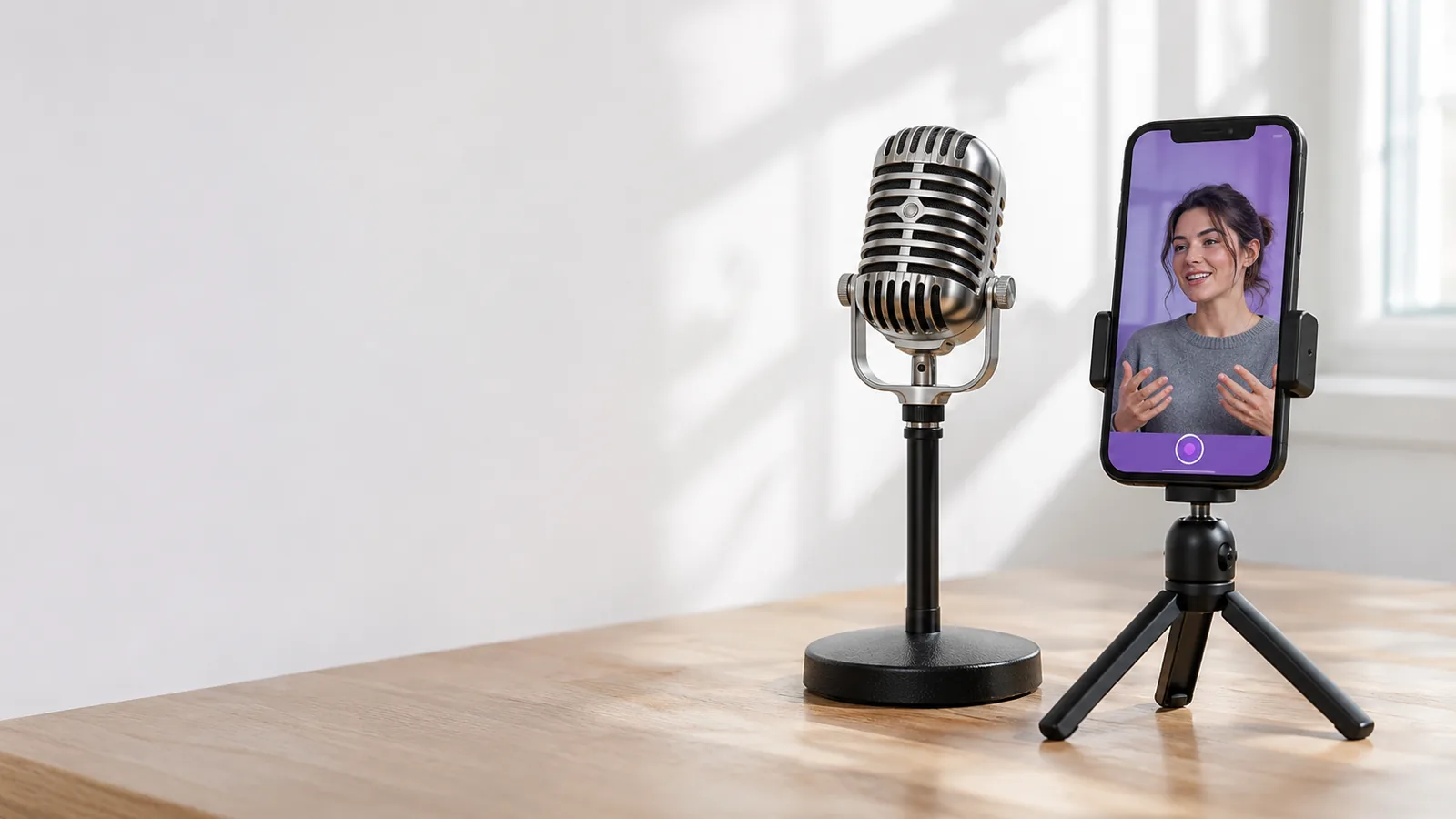
A smartphone camera offers zero emotional warmth. It is a piece of black glass. Deprived of human cues, your brain enters an "acoustic vacuum," interpreting the silence as potential rejection or disinterest. To steady your delivery and manage physiological tension when facing a silent lens, practice the vocal techniques in our guide on how to sound confident when you are nervous.
Is camera fear the same as social anxiety disorder?
Camera fear is not necessarily social anxiety disorder (SAD), although individuals with social anxiety often experience heightened camera apprehension.
Social anxiety disorder involves an ongoing, pervasive fear of being watched, judged, or rejected across everyday interpersonal interactions: eating in public, meeting new colleagues, making phone calls, or attending social gatherings.
Camera anxiety, by contrast, is frequently situational and isolated. Many people who are highly extroverted, socially confident, and comfortable in group dinners still freeze when asked to record a 30-second video message. In most cases, camera hesitation is simply a lack of technical and sensory familiarity with recorded video, rather than a generalized psychological condition.
In Camfident, camera practice is treated as a gentle, non-medical training routine. The app is not a clinical treatment, but an everyday companion designed to help normal individuals build comfort through gradual, low-pressure 15- to 60-second exercises on their iPhone.
When should you seek professional medical support?
While nervousness before a presentation or video recording is a universal human experience, there are times when speaking fear crosses the threshold into clinical distress.
Consider speaking with a doctor, licensed psychologist, or certified cognitive behavioral therapist (CBT) if:
- Performance anxiety triggers full panic attacks, dizziness, chest tightness, or hyperventilation.
- You actively turn down career promotions, job interviews, or academic opportunities solely to avoid speaking or being on video.
- The dread of an upcoming speaking obligation causes chronic insomnia or severe depressive symptoms weeks in advance.
- You find yourself using alcohol or unprescribed medications to numb anxiety before presentations.
Evidence-based therapies, including Cognitive Behavioral Therapy (CBT) and gradual in-vivo exposure, are well-established, effective treatments for social and performance anxiety.
Frequently Asked Questions
Can someone have both stage fright and camera anxiety?
Yes. Many people experience both, because both conditions activate the sympathetic fight-or-flight response. However, resolving camera fear through private home practice often helps reduce stage fright by strengthening your foundational speaking habits.
Is camera anxiety becoming more common?
Yes. With the rise of remote work, Zoom meetings, recorded job applications, and social media, people are on video far more frequently than previous generations, leading to increased awareness of camera anxiety.
Does beta-blocker medication cure camera anxiety?
Beta-blockers can temporarily suppress physical adrenaline symptoms (such as heart palpitations or shaky hands), but they do not address the cognitive thought patterns that cause anxiety. Progressive exposure and habituation remain the most effective long-term solutions.
Why do I feel fine in video games or calls with friends, but freeze in recorded videos?
Casual video calls feature live, interactive human conversation. A solo recorded video forces you into one-way performance mode, where you feel solely responsible for maintaining conversational energy.
Understanding the specific roots of your speaking anxiety demystifies the fear. Whether you are addressing an auditorium crowd or recording a quick video note on your phone, remember that confidence is not the absence of butterflies—it is learning how to make them fly in formation.
Related articles
Sources
- Ruscio, A. M., Brown, T. A., Chiu, W. T., Sareen, J., Stein, M. B., & Kessler, R. C. (2008). Social fears and social phobia in the USA: Results from the National Comorbidity Survey Replication. Psychological Medicine, 38(1), 15–28. Cambridge Core
- American Psychiatric Association. (2013). Diagnostic and Statistical Manual of Mental Disorders (5th ed.). American Psychiatric Publishing. PsychiatryOnline
- Hofmann, S. G., & Otto, M. W. (2018). Cognitive Behavioral Therapy for Social Anxiety Disorder: Evidence-Based and Disorder Specific Treatment Techniques (2nd ed.). Routledge. Routledge